

Blog
Resin vs FDM: Which 3D Printer Is Better for Collectible Toys?

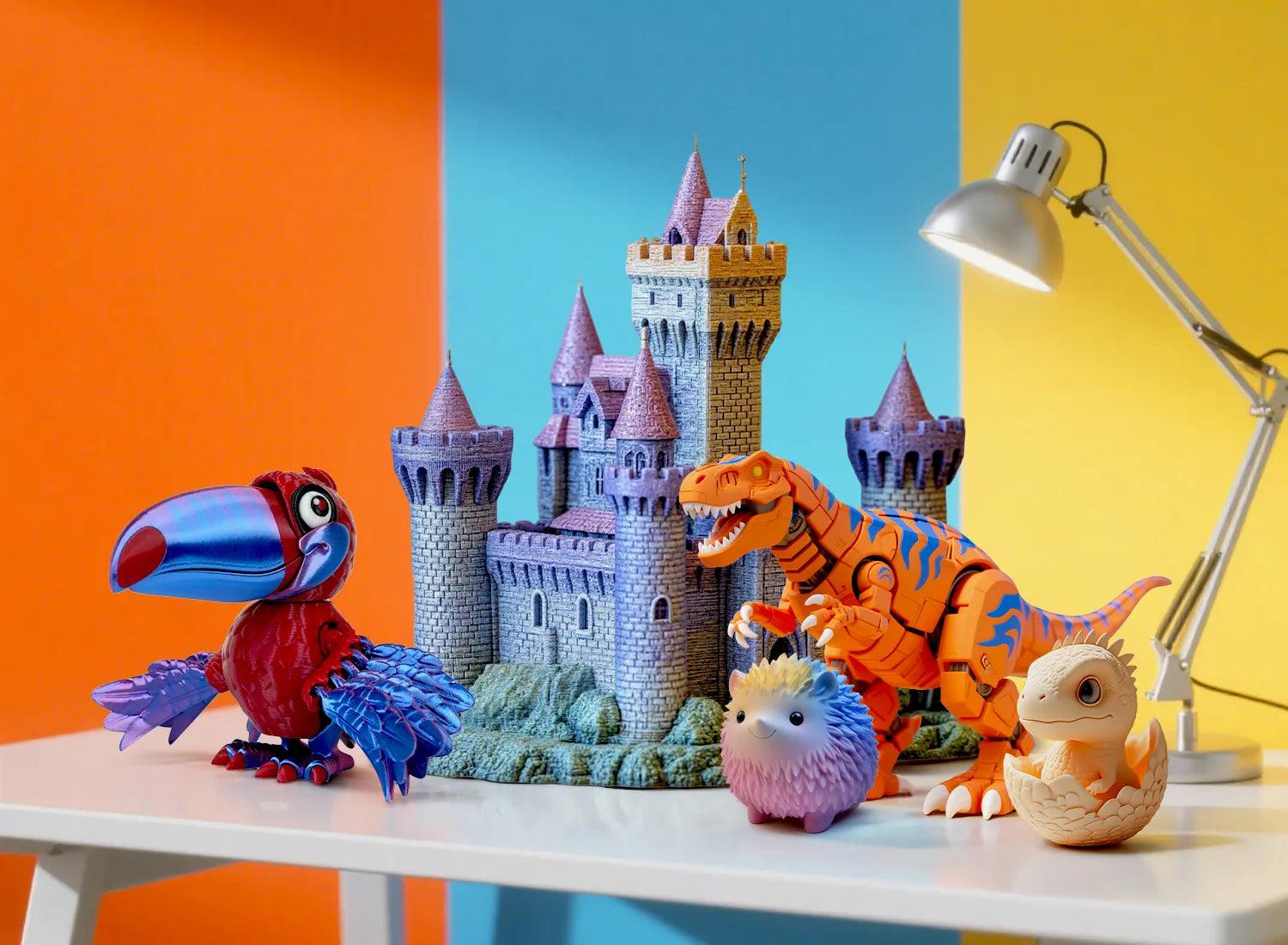
If you want to create professional collectible toys, choosing the right 3D printing technology is one of the most important decisions you will make.
The two most common methods are:
- Resin Printing (SLA/MSLA)
- FDM Printing
Both have strengths and weaknesses depending on your goals
I am text block. Click edit button to change this text. Lorem ipsum dolor sit amet, consectetur adipiscing elit. Ut elit tellus, luctus nec ullamcorper mattis, pulvinar dapibus leo.
What Is Resin Printing?
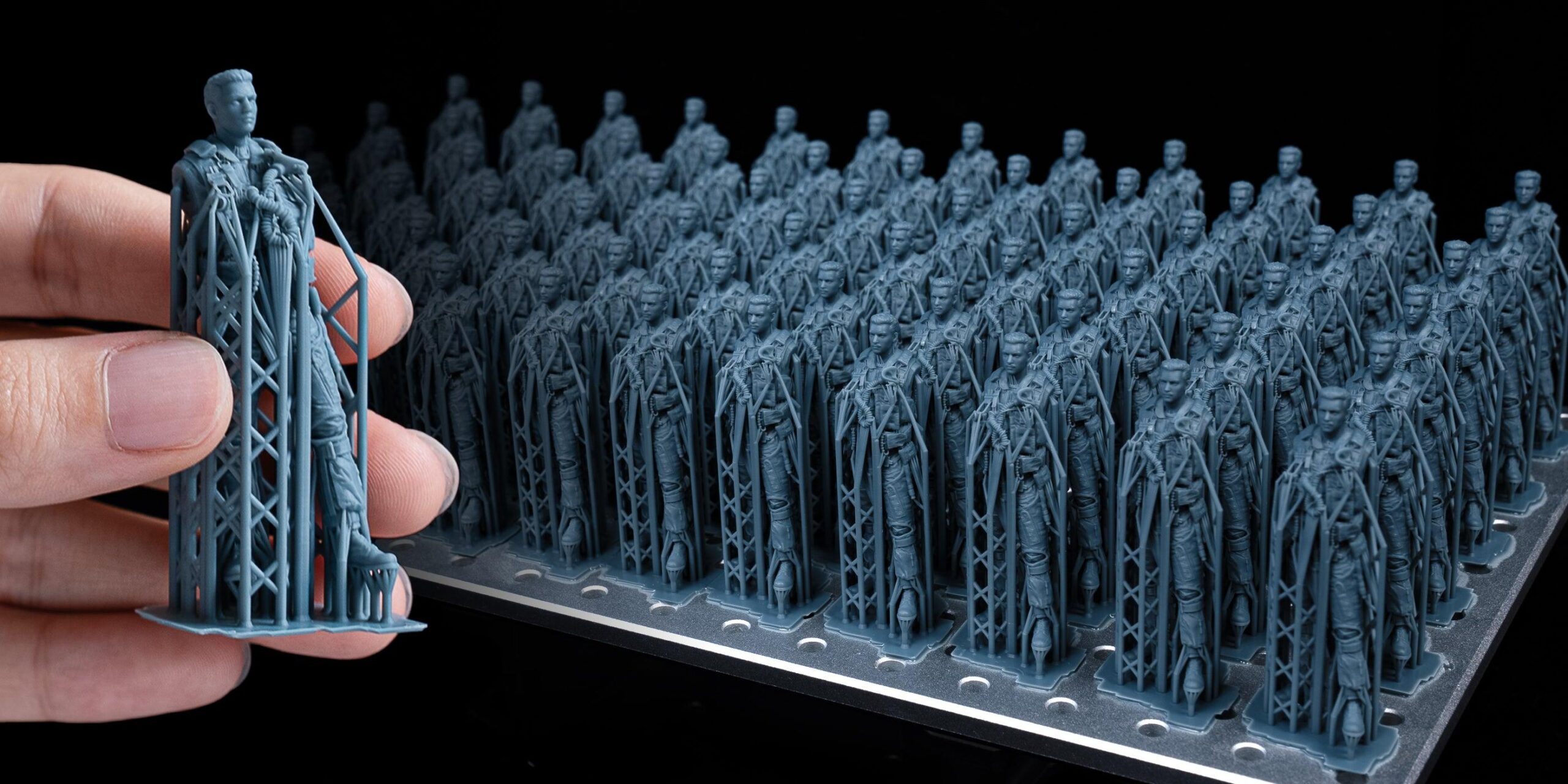
Resin printers use UV light to cure liquid resin layer by layer.
Popular resin printer brands include:
- Anycubic
- Elegoo
- Phrozen
Advantages of Resin Printing
- Incredible detail
- Smooth surfaces
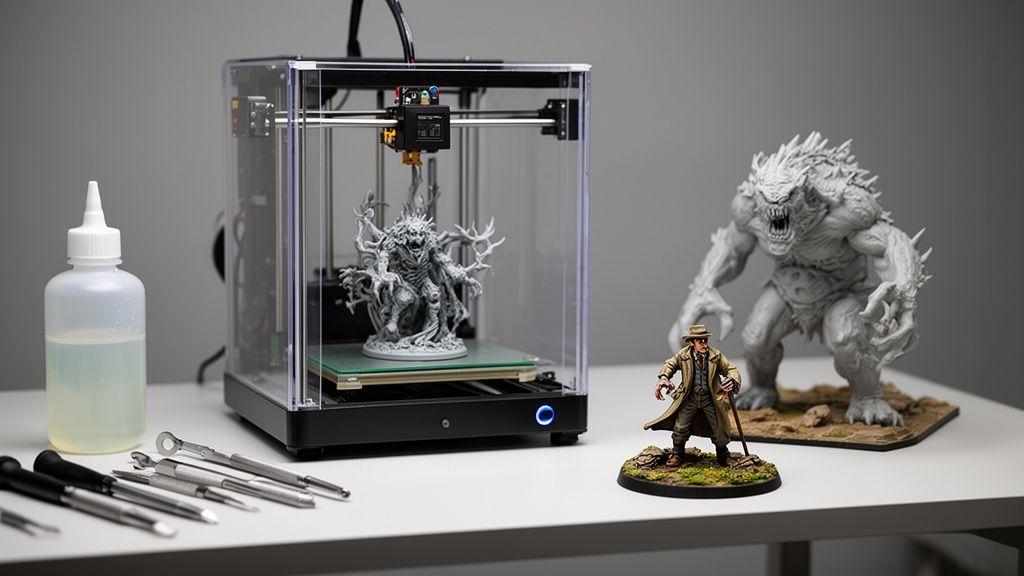
- Ideal for miniatures and toys
- Excellent for painting
- Professional-quality finish
Disadvantages
- Resin is messy
- Requires gloves and ventilation
- Post-processing takes time
- Materials cost more
For highly detailed collectibles, resin is usually the best option.
What Is FDM Printing?
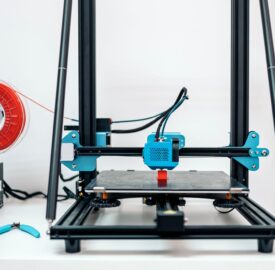
FDM printers melt plastic filament and build objects layer by layer.
Popular FDM brands:
- Bambu Lab
- Creality
- Prusa
Advantages
- Affordable materials
- Large build volumes
- Easier maintenance
- Great for prototypes and large pieces
Disadvantages
- Visible layer lines
- Lower fine-detail quality
- More sanding required
Which One Is Best for Toys?
Choose Resin If:
- You want premium collectibles
- Your figures have fine details
- You plan to paint them
- You want professional presentation
Choose FDM If:
- You make large statues
- You need cheaper production
- You create functional parts
- You are prototyping quickly
Hybrid Workflow
Many professional studios use both:
- FDM for prototyping and structural parts
- Resin for final collectible production
This approach combines speed, cost-efficiency, and quality.
Final Verdict
If your goal is premium collectible toys, resin printing is usually the better choice. The level of detail and smoothness simply fits the expectations of modern collectors.
FDM remains excellent for larger pieces, props, and early-stage development.
The best choice depends on your business model, budget, and product vision.